 Skip to content

A professional vinyl siding company ensures your siding is installed correctly to keep your home safe from rain, wind, and cold.
Understanding Gutter Systems: Types, Materials, and Maintenance Tips
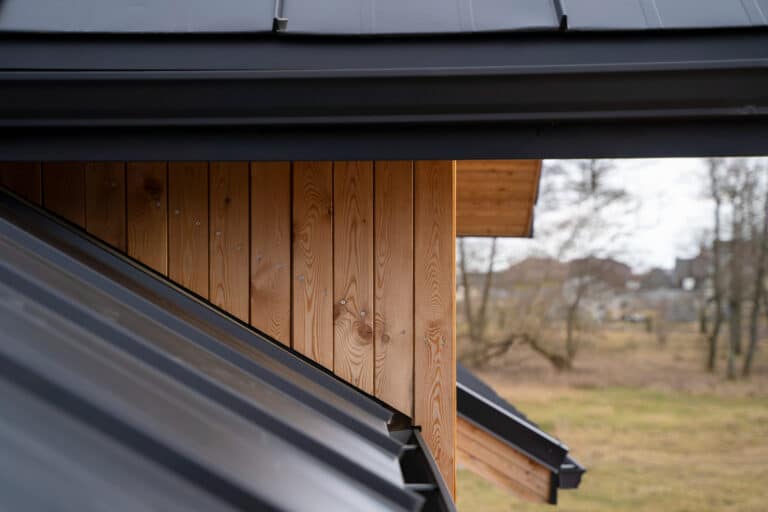
Rain gutters are essential parts of your home that help protect it from water damage. They guide rainwater off the roof and away from the foundation, keeping your house safe and dry. Different gutter systems are made from various materials, and each type needs special care. In this article, we’ll discuss the different types of gutters, what they’re made of, how they’re installed, and how to take care of them.
Overview Of Best Gutter Systems
Best gutter systems are long, hollow devices that connect to the margins of roofs. The collection of rainwater and redirection away from your foundation is its main purpose. A gutter system must be in place for a house to be considered complete. Gutters safeguard your house and home in a variety of ways.
Key Gutter System Components
A typical gutter system includes several important parts that work together to keep your home dry:
- Sections – These are the horizontal troughs running along the edge of your roof, collecting rainwater as it flows down.
- Connectors – Pieces that link gutter sections together, creating a continuous path for water.
- Downspouts – The vertical pipes that channel water from the gutter sections down to the ground.
- Splash blocks or extenders – Devices placed at the bottom of downspouts to direct water safely away from your home’s foundation.
- End caps and corners – These close off the ends and corners of the gutters, keeping water contained and flowing in the right direction.
When all these components work properly and are well-maintained, your gutter system efficiently carries rainwater away from the roof and foundation. However, if any part gets clogged, damaged, or isn’t installed correctly, water can back up or spill over—leading to leaks, erosion, or even foundation issues.
With a clear understanding of how gutter systems work and what they’re made of, you’ll be better prepared to choose the right one for your home and keep it working smoothly for years to come.
Current Trends in Gutter Systems
Homeowners today are increasingly opting for gutter systems that require minimal upkeep while offering reliable protection. One of the most popular choices right now is seamless aluminum gutters paired with gutter guards. Seamless gutters reduce the chance of leaks because they have fewer joints, and aluminum stands up well to rust—making it a favorite for long-lasting performance.
Gutter guards, such as those from LeafFilter or Gutter Helmet, are also gaining traction for preventing clogs from leaves and debris, saving time on maintenance. There’s also a trend toward systems that come in a wide range of colors and finishes to better match home exteriors. All of these innovations aim to keep rainwater moving away from your foundation efficiently, without the hassle of frequent cleaning or repairs.
What Are the Best Gutters for Your Home in 2025?
Choosing the best gutters for your home in 2025 comes down to a few important factors: your budget, local weather conditions, and how much maintenance you want to handle. With so many materials and designs on the market, it helps to know what sets each one apart.
Here are some top choices to consider:
Aluminum Gutters: These are a crowd favorite for good reason. Aluminum balances affordability, durability, and lightweight construction, making them easy to install and resistant to rust. Many homeowners in 2025 are opting for seamless aluminum gutters paired with gutter guards for extra protection and minimal upkeep.
Copper Gutters: If you’re after classic curb appeal and something that lasts for decades, copper gutters are hard to beat. They develop a natural patina over time and stand up well to the elements, but they do come at a premium price.
Vinyl Gutters: For those looking to keep costs low or tackle installation themselves, vinyl gutters are a practical option. They’re lightweight and simple to snap together, though they might not hold up as well in extreme temperature swings.
Steel Gutters: Homes in regions prone to heavy snow or hail may benefit from the added strength of galvanized or stainless steel gutters. While these are heavier and require rust protection, they’re built to withstand the toughest weather.
Regardless of which gutter material catches your eye, professional installation and routine maintenance go a long way in keeping your gutters performing their best year after year.
Alternatives to Traditional Gutter Systems
While gutters are the standard choice for most homes, there are a few alternatives you might consider if you live in a region with low rainfall or have unique landscaping. These options help manage rainwater in different ways:
- Rain Chains: Originating from Japan, rain chains replace conventional downspouts with a series of metal cups or links. They slow down the flow of water, guiding it gently to the ground while adding a decorative touch to your home’s exterior.
- French Drains: This underground drainage solution uses perforated pipes and gravel to redirect water away from your home’s foundation. French drains work well where surface drainage is an issue but are typically best when paired with other solutions.
- Drip Paths: If your home’s roof has sufficient overhang, you can install a layer of stone, gravel, or concrete at the drip line. This creates a designated splash zone, which helps prevent soil erosion and keeps water from pooling by your foundation.
Keep in mind that while these alternatives can be effective in specific situations-especially in dry climates-they usually aren’t a full replacement for gutters in areas prone to heavier rain.
Types Of Gutter Systems Styles
There are a few common styles of the best gutter system, and each has its strengths. Here are some of the most popular ones:
K-Style Gutters : K-style gutters are the most popular kind. They have a flat bottom and a decorative shape that looks like the letter “K.” These gutters handle a lot of water, so they’re perfect for areas with heavy rainfall. They also come in different sizes and colors, making them a good choice for many homes.
Half-Round Gutters : Half-round gutters are shaped like a half-circle, which gives them a smooth and classic look. They are often found in older homes or homes with a traditional style. Half-round gutters don’t trap as much debris, but they might not be able to handle heavy rainfall better than style gutter systems.
Box Gutters : Box gutters are built right into the roofline. They are often used on flat roofs, like those seen on commercial buildings. These gutters are good at carrying much water, especially in places with heavy rain or snow.
How to Choose the Right Gutter Size for Your Home
Picking the right gutter size is important because it makes sure rainwater is moved away from your house properly, especially during heavy storms. The right size depends mainly on the size of your roof and how much rain your area gets each year.
- 4-inch gutters: Usually best for smaller roofs or homes in drier climates where heavy rainfall is rare.
- 5-inch gutters: The standard size for most homes, these work well for roofs of average size in regions with typical rainfall.
- 6-inch (or larger) gutters: Ideal for larger homes, roofs with a steep slope, or areas that see a lot of heavy rain. Larger gutters can handle a higher volume of water and help prevent issues like overflowing or water puddling around your foundation.
If you’re not sure what’s right for your home, you can also ask a roofing professional to measure your roof and look at local weather patterns. Choosing the correct size keeps your home protected from water damage and extends the life of your gutter system.
Gutter Materials
Gutters can be made from different materials, and each material has its benefits. Here are some of the most common gutter materials:
Aluminum Gutters : Aluminum gutters are lightweight, strong, and long-lasting without rusting. They come in many colors and finishes to match your home’s style. If you take care of them, aluminum gutters usually last about 20 to 30 years. Aluminum is also one of the most popular choices in modern gutter installations thanks to its affordability and rust resistance.
Copper Gutters : Copper gutters are a high-quality option that can last up to 100 years. Over time, they change color and develop a patina, which gives them a unique, greenish-blue color. Copper gutters are expensive to install, but they’re a great choice if you want your gutters to last a long time. Their weather and corrosion resistance add to their reputation as a luxury, long-term investment for your home.
Steel Gutters : Steel gutters are known for their strength and ability to withstand heavy weather. There are two main types: galvanized and stainless steel. Galvanized steel gutters typically last about 20 years before they begin to rust, while stainless steel options can stretch up to 25 years with proper care.
Vinyl Gutters :If you’re looking for a budget-friendly option, vinyl gutters might be your pick. These are lightweight and easy to install, but they’re best suited for milder climates or coastal areas where salt air might corrode metal. Vinyl gutters generally last around 10 to 15 years, making them a good short-term option.
Zinc Gutters: Zinc gutters share many of the same perks as copper, including durability and corrosion resistance. With proper maintenance, zinc gutters can last up to 50 years, making them another solid choice for long-term performance.
Quick Reference: Gutter Lifespans
- Vinyl: 10–15 years
- Aluminum: 20–30 years
- Galvanized Steel: ~20 years
- Stainless Steel: up to 25 years
- Zinc: up to 50 years
- Copper: up to 100 years
Choosing the right gutter material depends on your budget, climate, and how long you want your investment to last.
Steel Gutters : Steel gutters are strong and can handle harsh weather. There are two types of steel best gutter guard near me:
Galvanized Steel: These best gutter guard near me are made from steel coated with a layer of zinc to prevent rusting. They’re a good choice if you live in a place with heavy rain or snow. Galvanized steel gutters are more affordable than other options and are known for their strength. However, once the protective zinc coating wears off, they can begin to rust over time. You can expect galvanized steel gutters to last around 20 years with proper maintenance.
Stainless Steel: Stainless steel gutters don’t rust easily and last long. They are more expensive than galvanized steel but are very strong and low-maintenance. Stainless steel can handle severe weather and heavy loads, making it ideal for snowy regions or areas prone to extreme weather. While stainless steel gutters are heavier and somewhat harder to install, their durability pays off, as they can last up to 25 years or more.
Steel gutters, whether galvanized or stainless, are a solid choice if you’re looking for toughness and longevity in your gutter system.
Vinyl Gutters : Vinyl gutters are a light, easy-to-install option. They’re also affordable but don’t last as long as metal gutters. Vinyl gutters are a good choice if you need something simple and cost-effective.
Zinc Gutters
Zinc gutters are another durable and attractive option for homeowners seeking longevity and a classic appearance. Like copper, zinc gutters can last several decades—often up to 50 years or more—thanks to their natural resistance to corrosion. Over time, zinc develops a protective layer called a patina, which helps shield it from the elements and gives it a soft, matte finish.
These gutters are a good choice for high-end or historic homes, where aesthetics and long-term durability matter. Keep in mind, however, that zinc gutters don’t perform as well in coastal climates, since salty air can shorten their lifespan. They also aren’t a good match with cedar shake roofs, as the material can cause a chemical reaction.
While zinc gutters aren’t quite as pricey as copper, they still usually require professional installation. If you’re aiming for a gutter system that brings both durability and a timeless look—without the premium price of copper—zinc is worth considering.
Installation Methods Of Best Gutter System
Gutters can be installed in two main ways: seamless and sectional. Both methods have their pros and cons.
Seamless Gutter Installation : Seamless gutters are made from one long piece of material, so no joints or seams exist. This helps prevent leaks, which can happen at the joints of sectional best gutter guard near me. Installing seamless gutters usually requires professional tools and skills, so hiring an expert is better. They are great for making sure your gutters work well without leaks. Seamless gutters also provide a cleaner appearance with fewer visible joints, and because there are fewer sections, the risk of leaks is much lower. Although seamless gutters cost more than sectional ones and must be installed by professionals, many homeowners find them a worthwhile investment—especially for long-lasting protection against water damage. In fact, in 2025, many homeowners are opting for seamless aluminum gutters with gutter guards for a low-maintenance and highly effective system.
Sectional Gutter Installation : Sectional gutters are made from several pieces connected together. They are easier to install and can be a good choice if you want to do it yourself. However, the seams between the sections can sometimes create weak spots where leaks can occur.
No matter which installation method you choose, making sure your gutters are properly sized and maintained is essential to carry rainwater away from your roof and foundation. If gutters become clogged, damaged, or are installed incorrectly, water can pool and cause significant problems—like leaks, foundation damage, or even flooding in your basement.
Maintenance Tips of Best Gutter Systems
To keep your gutters working correctly and avoid damage, you must take good care of them. Here are some simple maintenance tips:
Regular Cleaning and Care :- It’s essential to clean your gutters at least twice a year, usually in the spring and fall. Over time, leaves, twigs, and other debris can clog up your gutters. If your gutter systems get blocked, water can’t flow through them, and this could cause problems like leaks or water damage to your home. Use a ladder and gloves to carefully clean out your gutters, or hire a professional to do it for you.
Seasonal Maintenance : Before and after heavy weather, like a big storm or heavy snowfall, check your gutters to ensure they work well. Look for signs of damage, such as cracks or leaks. Ensure the downspouts (the pipes that carry the water away from your house) are clear and direct the water away from your home’s foundation.
Professional Maintenance Services : You can hire a professional gutter systems cleaning service if you don’t want to clean your gutters yourself. They will inspect them and make sure everything is working correctly. Some companies also offer annual maintenance of best gutter guard near me, a great way to keep your gutters in good shape.
No matter which option you choose, professional gutter installation and regular maintenance will help ensure your gutters protect your home for decades. Properly maintained gutters not only prevent water damage but also help preserve your home’s foundation and landscaping.
When Should You Replace Your Gutters?
Sometimes, even with regular cleaning and careful maintenance, gutters reach the end of their lifespan. But how do you know when it’s time for a full replacement instead of another repair? Look out for these telltale signs:
- Sections that are sagging or pulling away: If parts of your gutter system are drooping or separated from the fascia board, it usually means the material is worn out or water isn’t draining properly.
- Visible damage: Cracks, holes, or persistent leaks often signal that patching no longer does the trick, especially if you find new problems after every rainstorm.
- Rust or corrosion: Metal gutters, particularly steel or aluminum ones, can eventually start developing rust spots or corrosion, which weakens their structure.
- Signs of mold or algae: Gutter systems that regularly support growths like mold or algae likely hold standing water, which often points to deeper issues.
- Water stains or streaks: Spots or discoloration on your siding beneath the gutters may indicate frequent overflow or leaks.
- Water pooling near your home: After a heavy rain, if you notice puddles forming around your foundation, your gutters aren’t working as they should. This puts your foundation at risk for water damage.
While a single loose bracket or minor crack might be fixable, widespread issues like these usually mean your gutters have done their job and need to be swapped out. Catching these signs early can help you avoid more expensive repairs down the road.
Are Gutter Guards Worth Installing? Types, Benefits, and Considerations
Gutter guards are special covers or screens that sit on top of your gutters to keep out leaves, twigs, and other debris—helping your gutters stay clear for longer. But are they worth adding to your home?
Benefits of Installing Gutter Guards
Adding gutter guards offers a few key benefits:
- Less Frequent Cleaning: By blocking most debris, gutter guards can reduce how often you need to clean your gutters—great for anyone wanting to spend less time on a ladder.
- Protects Against Clogs and Water Damage: Gutter guards help prevent blockages that could cause water to overflow and damage your home’s foundation or siding.
- Longer Lasting Gutters: Keeping debris out means less rust, corrosion, and wear on your gutter system.
Types of Gutter Guards
There are several types of gutter guards, each with its own strengths:
- Screen Guards: Simple metal or plastic screens that snap onto existing gutters. They’re fairly easy to install as a DIY project, though smaller debris might still get through.
- Mesh Guards: Fine wire mesh covers that block even smaller particles. These are a bit sturdier and tend to need less maintenance than screens.
- Reverse Curve (Surface Tension) Guards: These use the physical principle that water will follow a curved surface while leaves slide off—helpful but usually require professional installation.
- Brush or Foam Inserts: Placed inside the gutter, these fillers allow water to flow while blocking most larger debris. They’re easy to put in but may need regular replacement.
DIY vs. Professional Installation
- DIY Options: Many screen and foam gutter guards are designed for easy installation and are budget-friendly. However, they may need to be checked and cleaned more often.
- Professional Options: Mesh and surface tension guards generally require expert installation but can offer better long-term performance and may come with longer warranties.
Are They Worth It?
While not absolutely necessary, gutter guards are a helpful upgrade for most homeowners—especially if you have a lot of trees nearby. They can cut down on cleaning time, protect your home, and help your gutters last longer. Consider your budget, the type of debris around your home, and how much maintenance you’re willing to do when deciding which type to choose.
Visual Enhancements
Adding images or diagrams to show different gutter types and materials can make it easier to understand. For example, you could include pictures of K-style gutter systems, half-round gutters, and box gutters so readers can see how they look. You can also show photos of materials like aluminum, copper, and vinyl so readers can compare them. Simple diagrams showing how gutters are installed would also be helpful for people who want to do it themselves.
Conclusion
Choosing the best gutter guard near me for your home is an important decision. The style and material of your gutters can affect how well they work and how long they last. Whether you choose aluminum, copper, steel, or vinyl gutters, keeping them clean and in good condition is essential. Regular maintenance will help your gutters protect your home from water damage and keep your house looking great.
When it comes to protecting your home, gutters often don’t receive the attention they deserve. A high-quality gutter system is not just about moving rainwater—it’s your home’s frontline defense against foundation issues, soil erosion, mold growth, and expensive repairs that can add up quickly. As you consider the best gutters for your home, think about important factors like the material, design, and how your local climate might affect your choice. Budget is also a key part of the decision, since different materials and styles come with their own price points and maintenance needs.
By choosing the right gutter system for your specific needs and following a regular cleaning schedule, you’ll help prevent costly problems and keep your home safe for years to come.
Don’t wait for the next big storm to find out your gutters need help! Contact a professional today if you need new gutters or want to ensure yours are working well. They can help you find the best gutter system for your home and make sure it stays in top condition. Following the tips in this guide, you can ensure your gutters are always ready to protect your home from water damage. Happy gutter cleaning has context menu.
FAQs
What are the benefits of window replacement in New Haven?
Window replacement in New Haven can help save energy, make your house look nicer, and keep it comfortable inside. New windows can lower your bills and keep out noise. Also, getting new windows put in by home remodelling experts can make your home worth more money.
How can home improvement in Oxford help increase the value of my property?
Home improvement in Oxford, especially for outside upgrades like window replacement and vinyl siding, can offer a good return on investment. These upgrades make your home look better, improve energy efficiency, and attract potential buyers. A well-maintained home also has fewer problems, which lowers maintenance costs over time.
Why should I choose vinyl siding for my home’s exterior?
Vinyl siding is a great option for your home’s exterior for several reasons:
1. Low Maintenance
Vinyl siding needs very little care. Unlike wood, it doesn’t need to be painted or stained. It resists moisture, mold, and mildew, which helps prevent rot and frequent repairs.
2. Durability
Vinyl is very strong and can handle tough weather like rain, snow, and wind. It won’t fade, crack, or warp, so your home will look good for many years.
3. Energy Efficiency
Vinyl siding insulates your home better, helping keep it at a comfortable temperature. This can lower your heating and cooling costs.
4. Affordability
Vinyl siding is one of the most cost-effective choices for home exteriors. It improves your home’s appearance and value without costing too much.
5. Variety of Styles and Colors
You can find vinyl siding in many styles, textures, and colors to match your home’s design. This allows you to personalize your home’s look.
6. Environmental Benefits
Vinyl siding is often made from recycled materials and can be recycled when it’s no longer used. Choosing vinyl can help lessen the environmental impact of your home improvement project.
How do I find a good roofing services company?
Look for a company with good reviews, insurance, and local experience. Our roofing services in Shelton use high-quality materials and trained installers.


